U.S. airline compliance and safety management
OneReg helps U.S. airlines manage safety, training and compliance obligations, with evidence linked directly to the FAA regulations that govern them. Prove compliance in minutes, not days.

A unified solution for the biggest U.S. airline challenges
Document Management
Intelligent section-level version control and granular permissions empower teams while retaining tight controls – eliminating duplication, confusion, and lag time.
Manual Processes
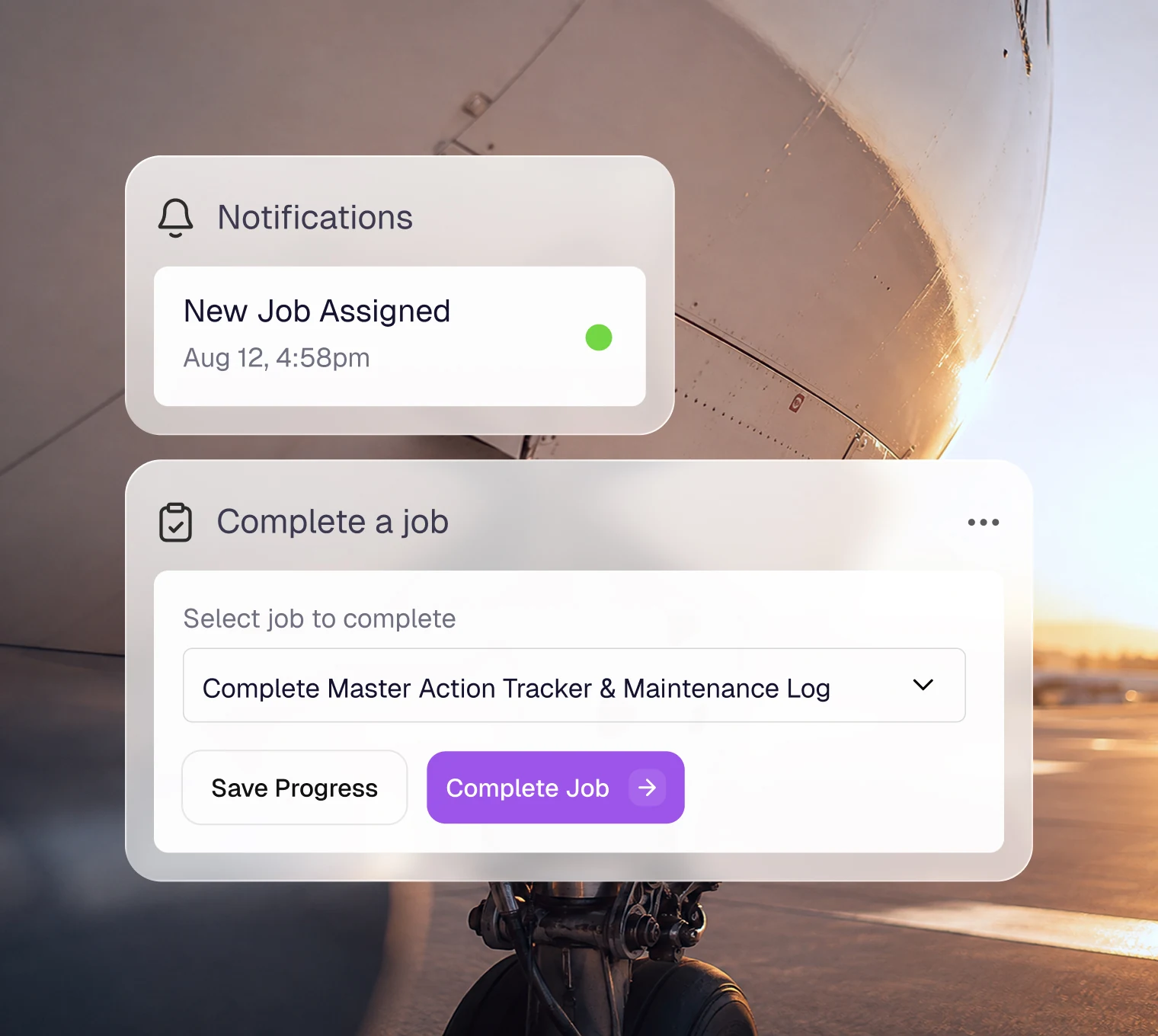
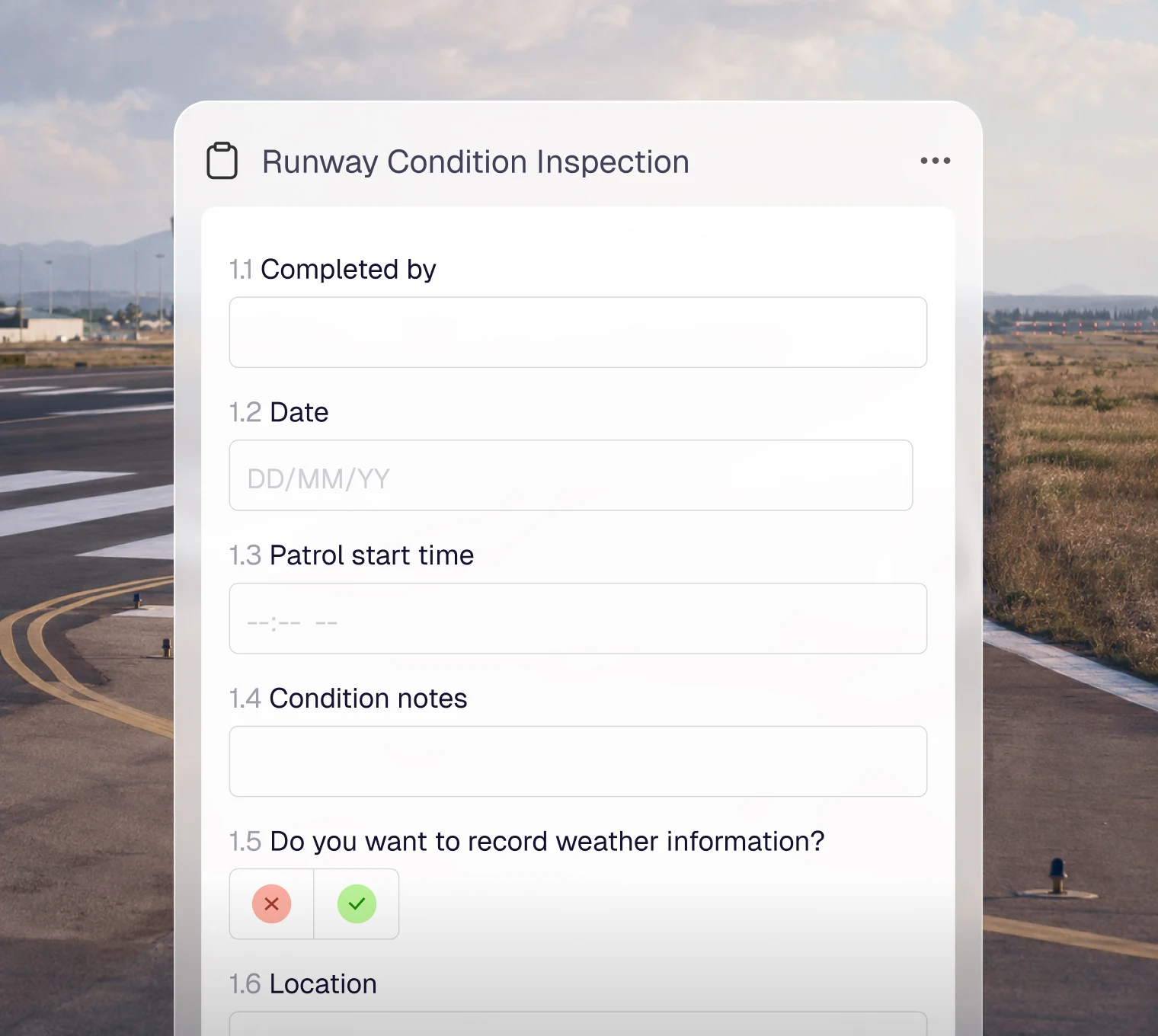
Improve operational efficiency with digital workflows and records that reduce manual effort and double handling - improving traceability, accountability, and operational safety.
Safety Management
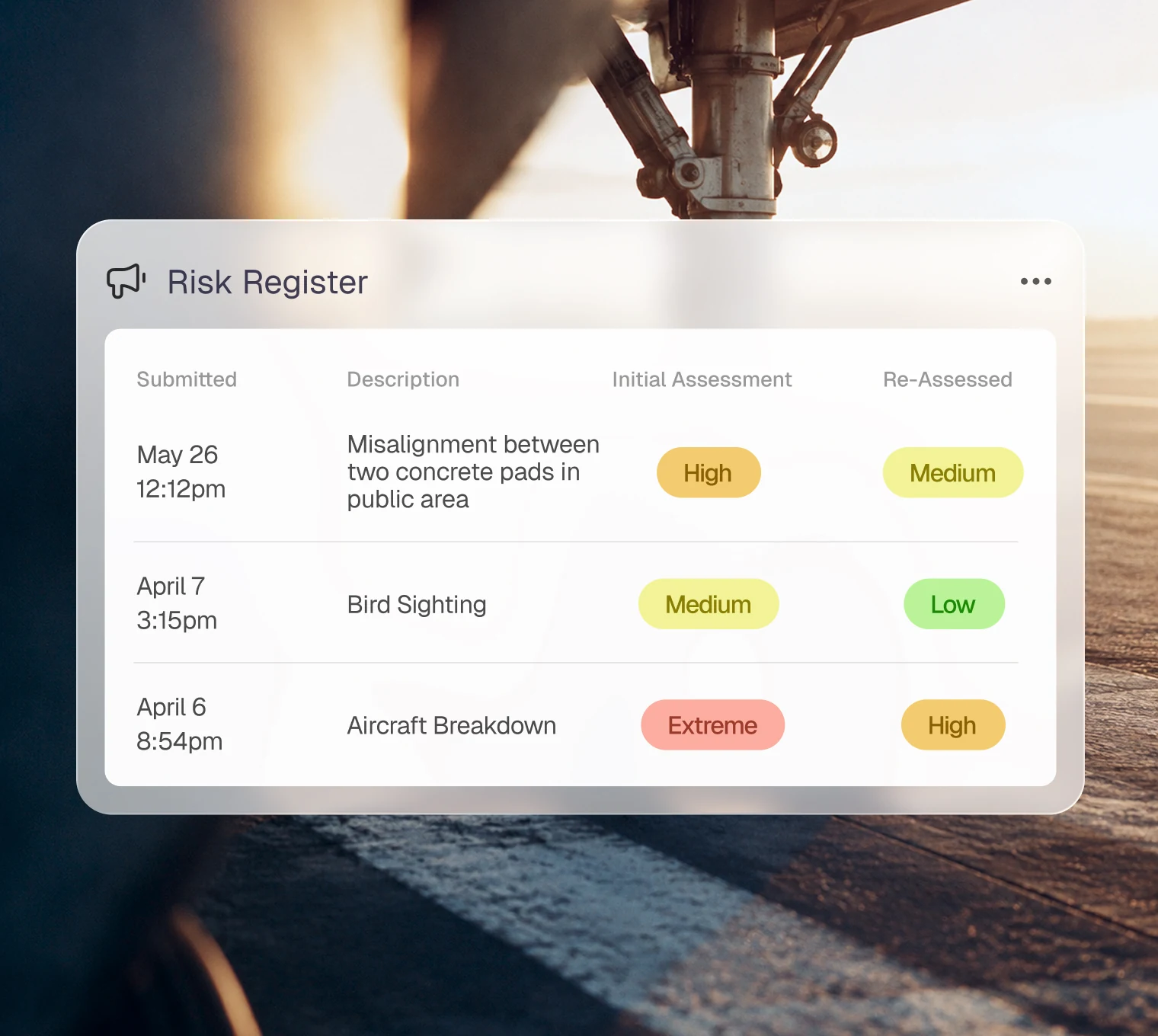
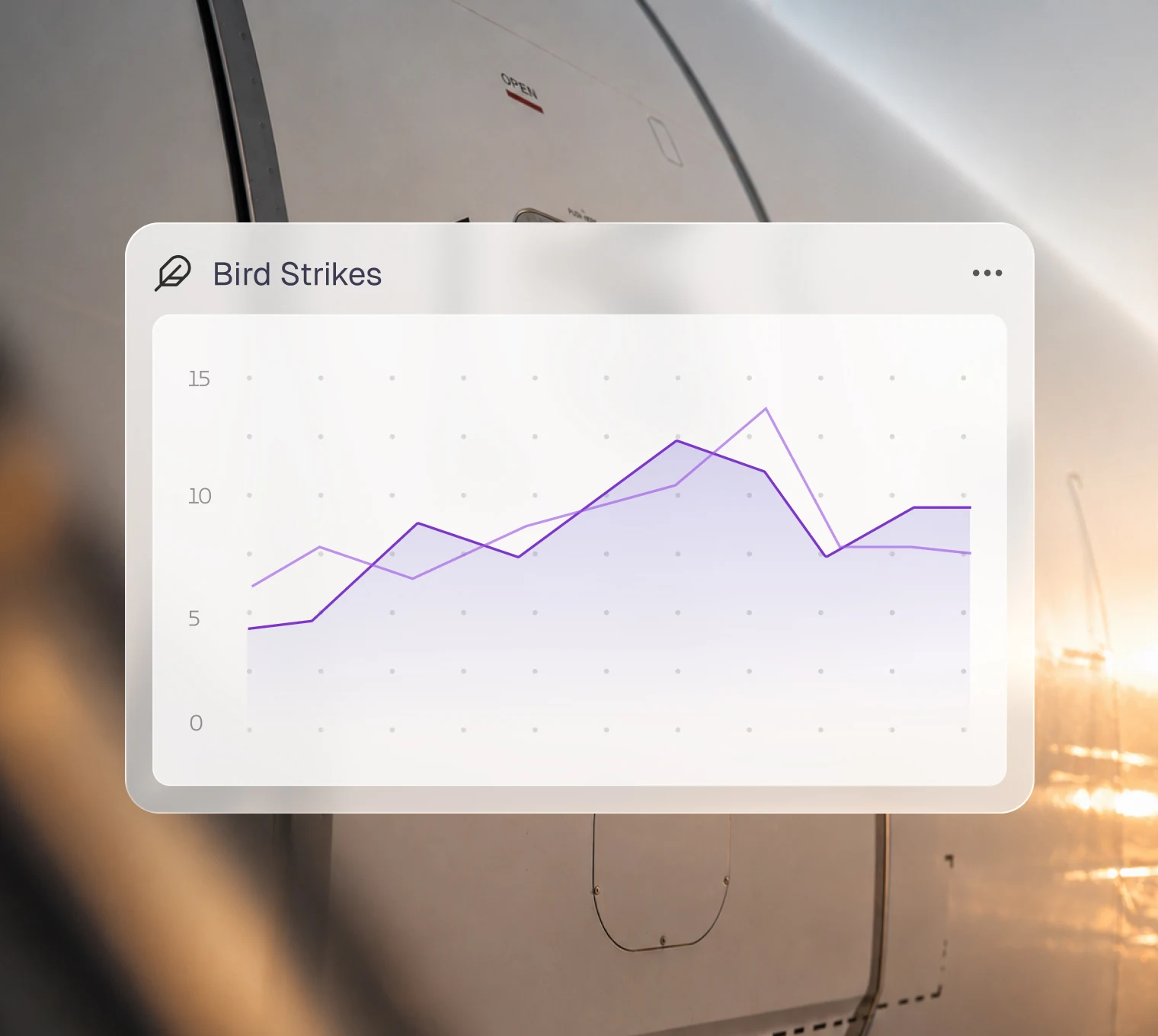
OneReg supports any Safety Management System with configurable, cloud-based tools for real-time compliance visibility and simplified audits.
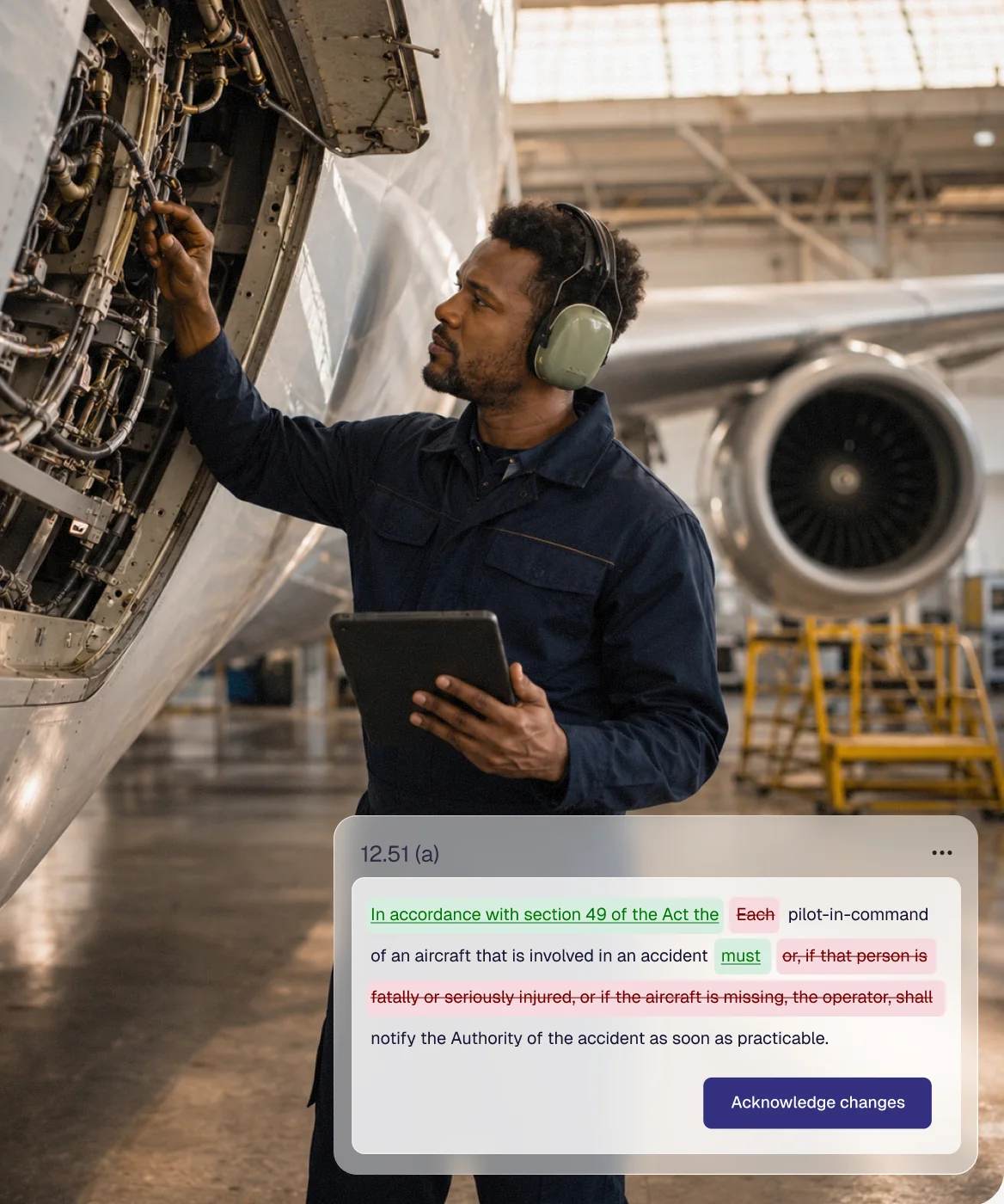
One source of truth for manuals, procedures & records
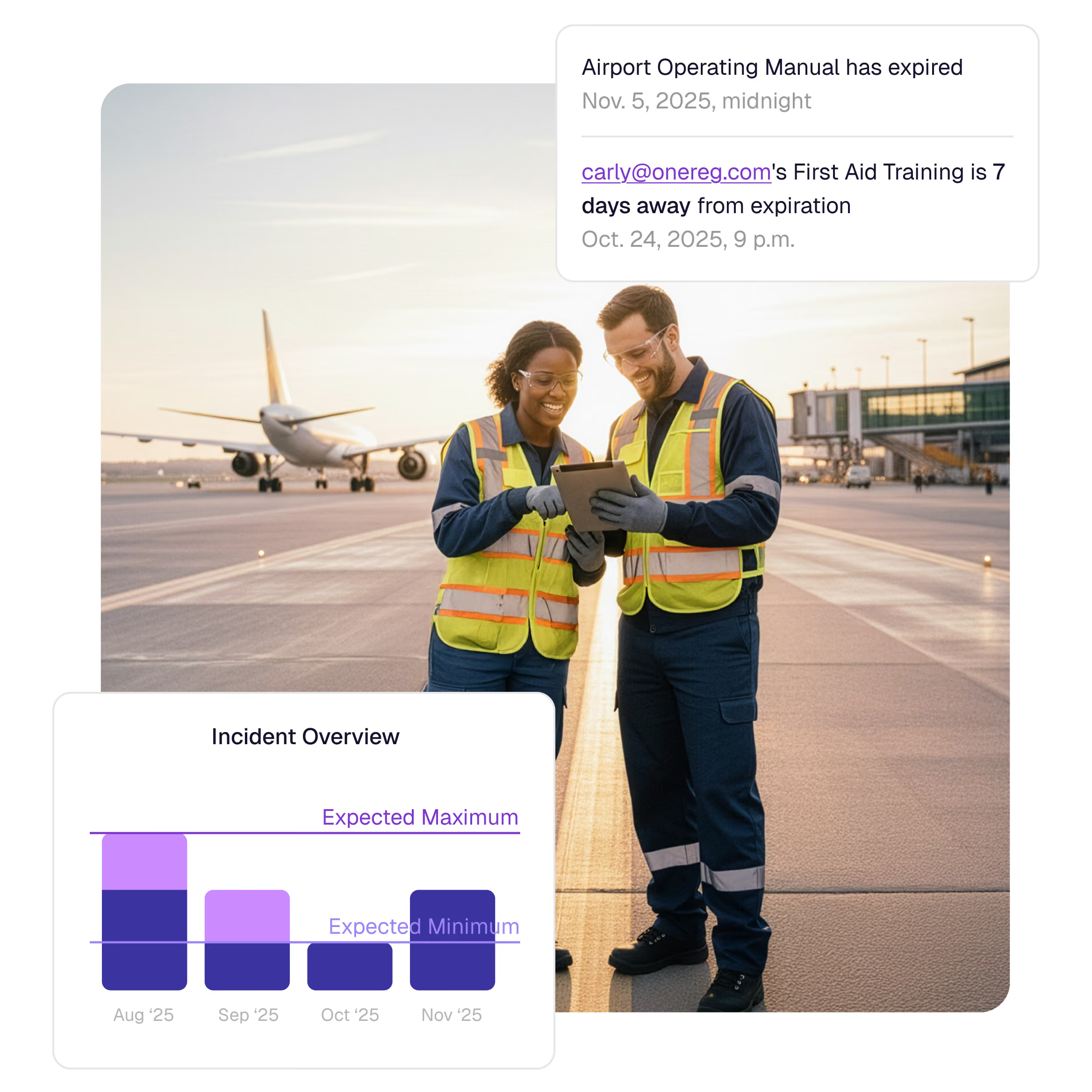
Keep U.S. airline operations running safely and efficiently

WHY AIRLINES CHOOSE ONEREG
Purpose-built for U.S. airline environments
Trusted technology to support airline safety and compliance standards. Designed to meet the highest levels of performance, security, and scalability.
Easy to Switch
No-code implementation – up and running in minutes
Configurable to any organization’s unique needs
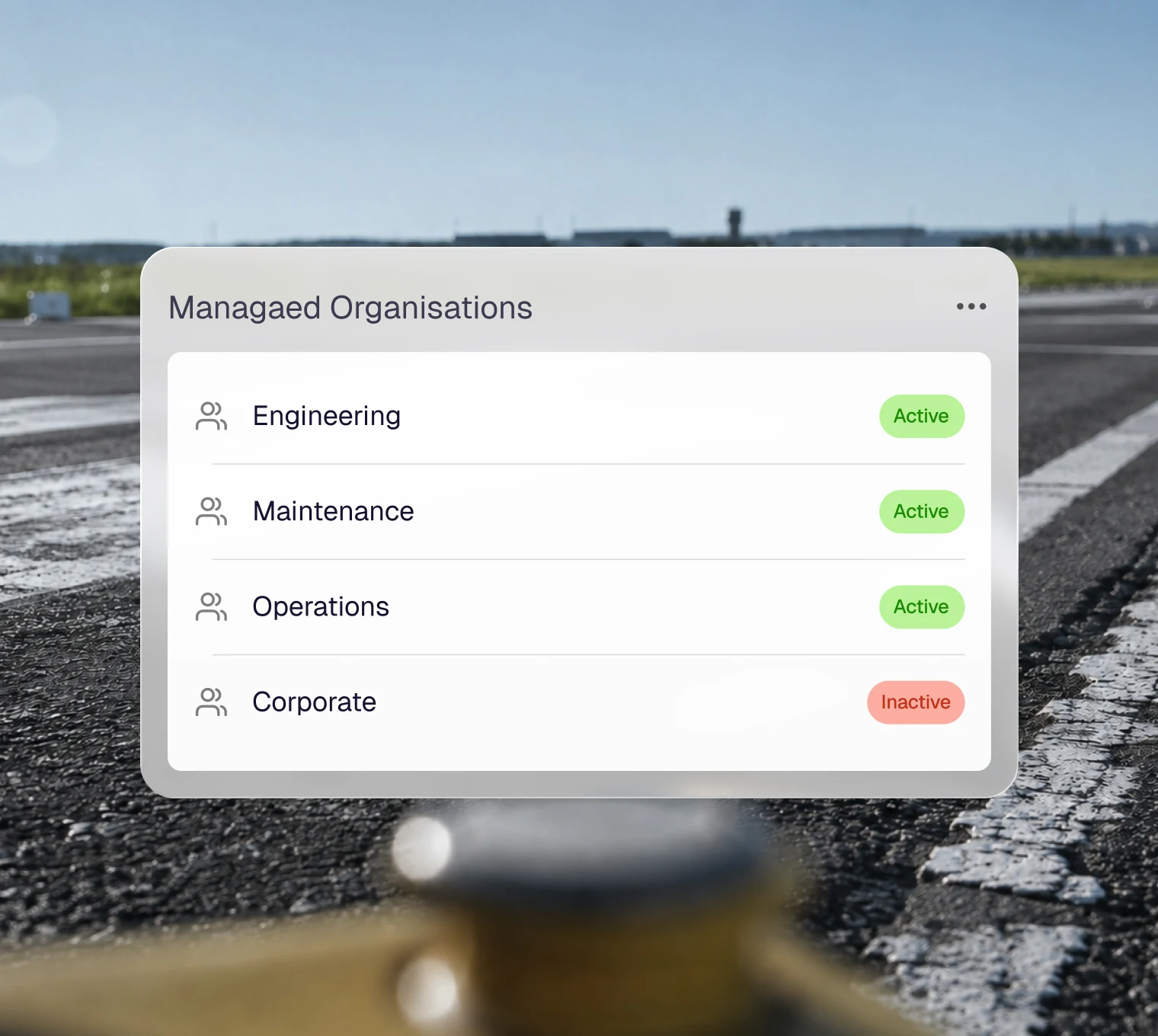
Multi-organization functionality
Change management support
Full historical data import included
Immediate Benefits
Centralized evidence, documentation, and regulatory alignment
Less manual compliance workload and stronger oversight
Continuous audit readiness
Scales across fleets, bases, and complex airline structures
One platform, every obligation
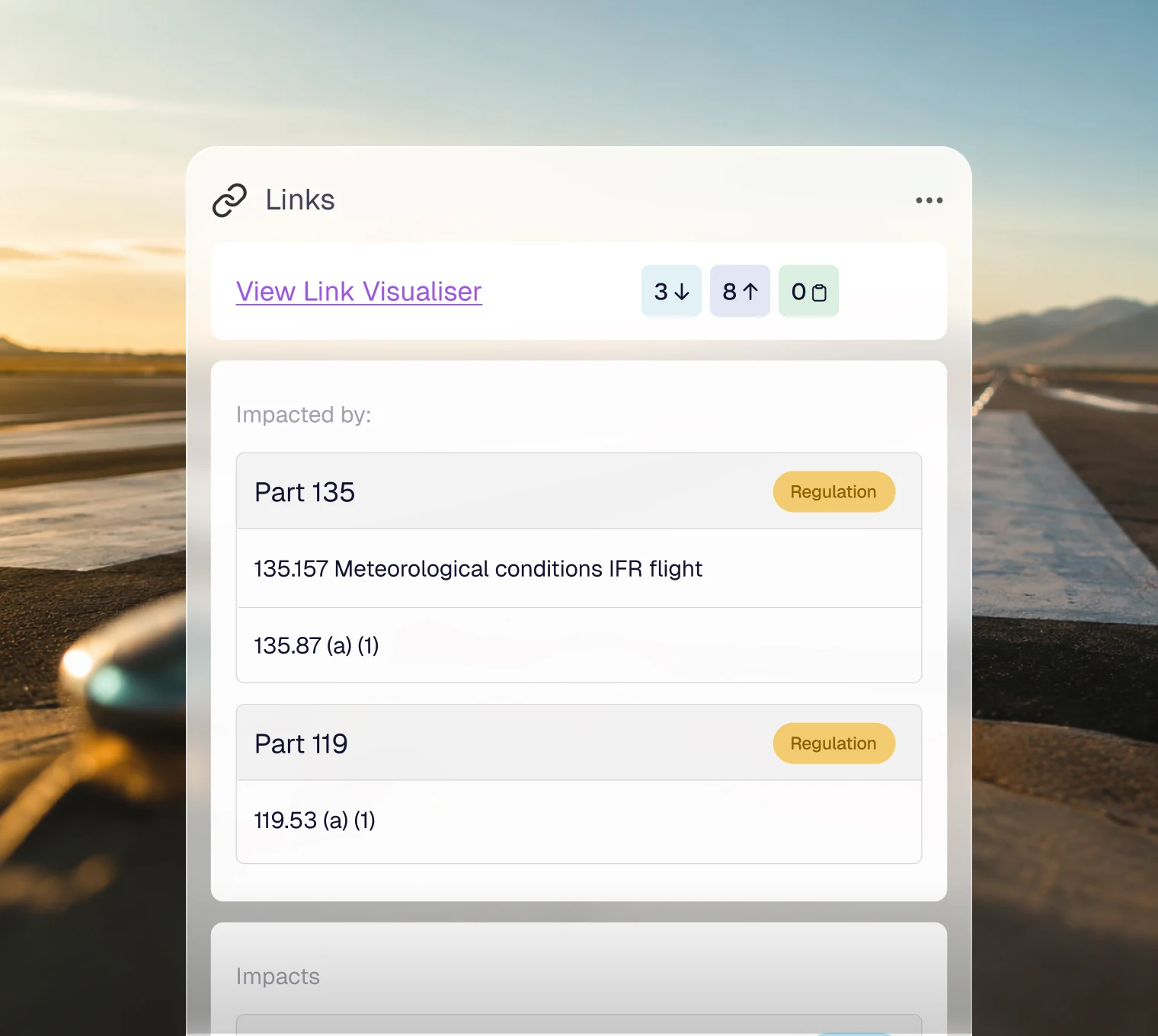
OneReg is a comprehensive system of record to replace scattered point solutions and manual processes, built around the way U.S. aviation organizations work and the FAA regulations that govern them. Manage everything in one place for seamless, efficient operations and be ready for an FAA inspection at any time.


Hear it straight from the hangar

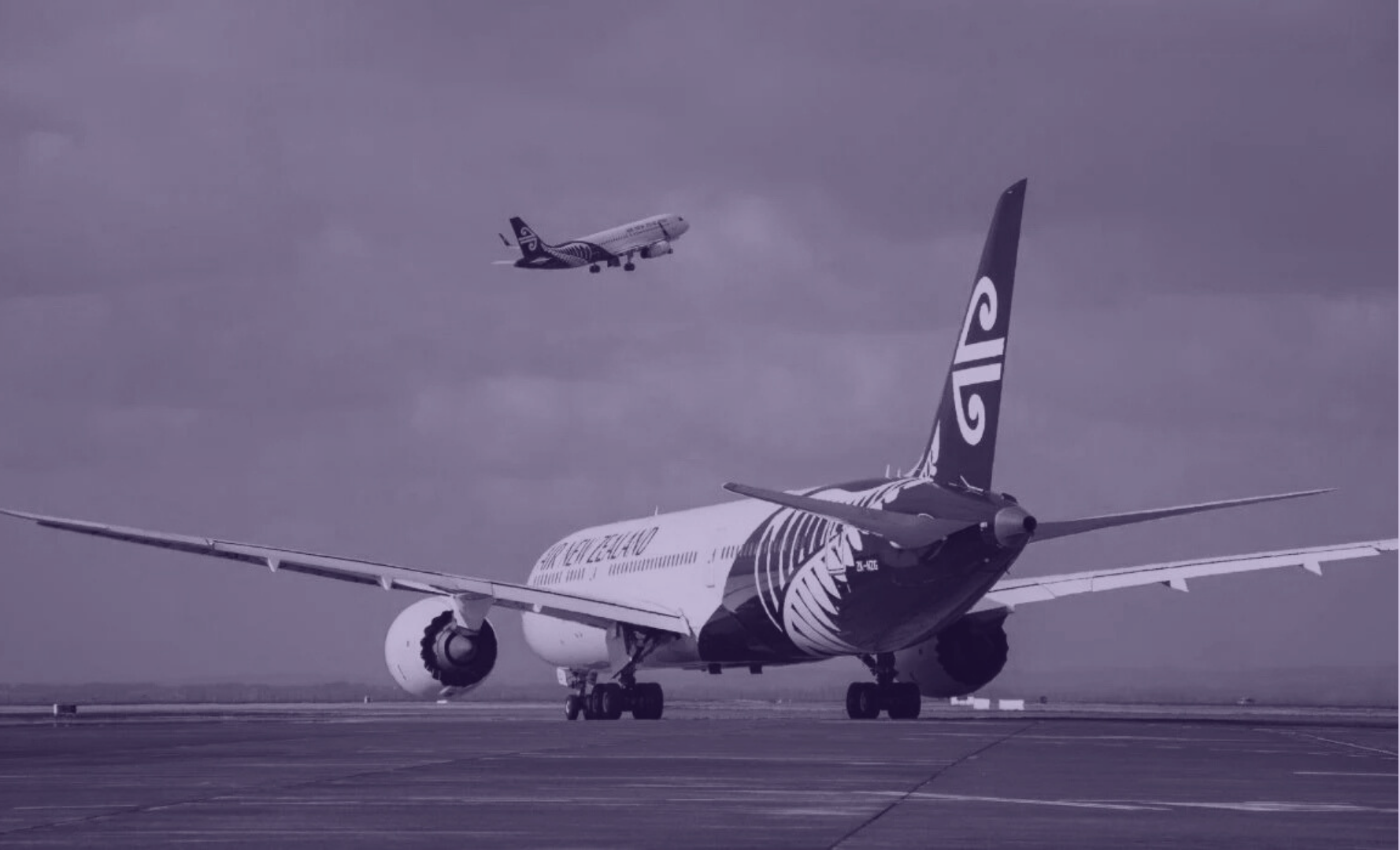
“At Air New Zealand, we are committed to the highest standards of safety and compliance while continuously seeking innovative ways to enhance our operations. By digitising what was once a paper-heavy process, we can complete compliance requirements in a fraction of the time. It’s a major step forward, giving thousands of our people the ability to manage compliance and operational documentation with far greater speed, safety, and efficiency.”

Andrew Hewitt
General Manager Engineering




Frequently asked questions
Airline document management software controls the manuals, procedures and records a carrier must keep current: who can edit them, who approves changes, and which revision is in force. Aviation-specific tools also link each document to the FAA regulation it satisfies, so a rule change shows exactly what needs updating. Air New Zealand Engineering uses OneReg for this and cut document change time from 180 days to under 24 hours.
The FAA's updated Part 5 rule took effect on May 28, 2024. Existing Part 121 carriers had to revise their SMS to the new requirements by May 28, 2025. The rule also extends SMS to Part 135 operators, who must implement theirs by May 28, 2027. Carriers holding more than one certificate can run each SMS separately in OneReg with one consolidated view.
A Part 121 air carrier operates under 14 CFR Part 121, the FAA rules for domestic, flag and supplemental operations. In practice that covers US scheduled airlines and larger charter carriers. Part 121 carriers must have an SMS that meets Part 5, along with approved training programs and a controlled manual system.
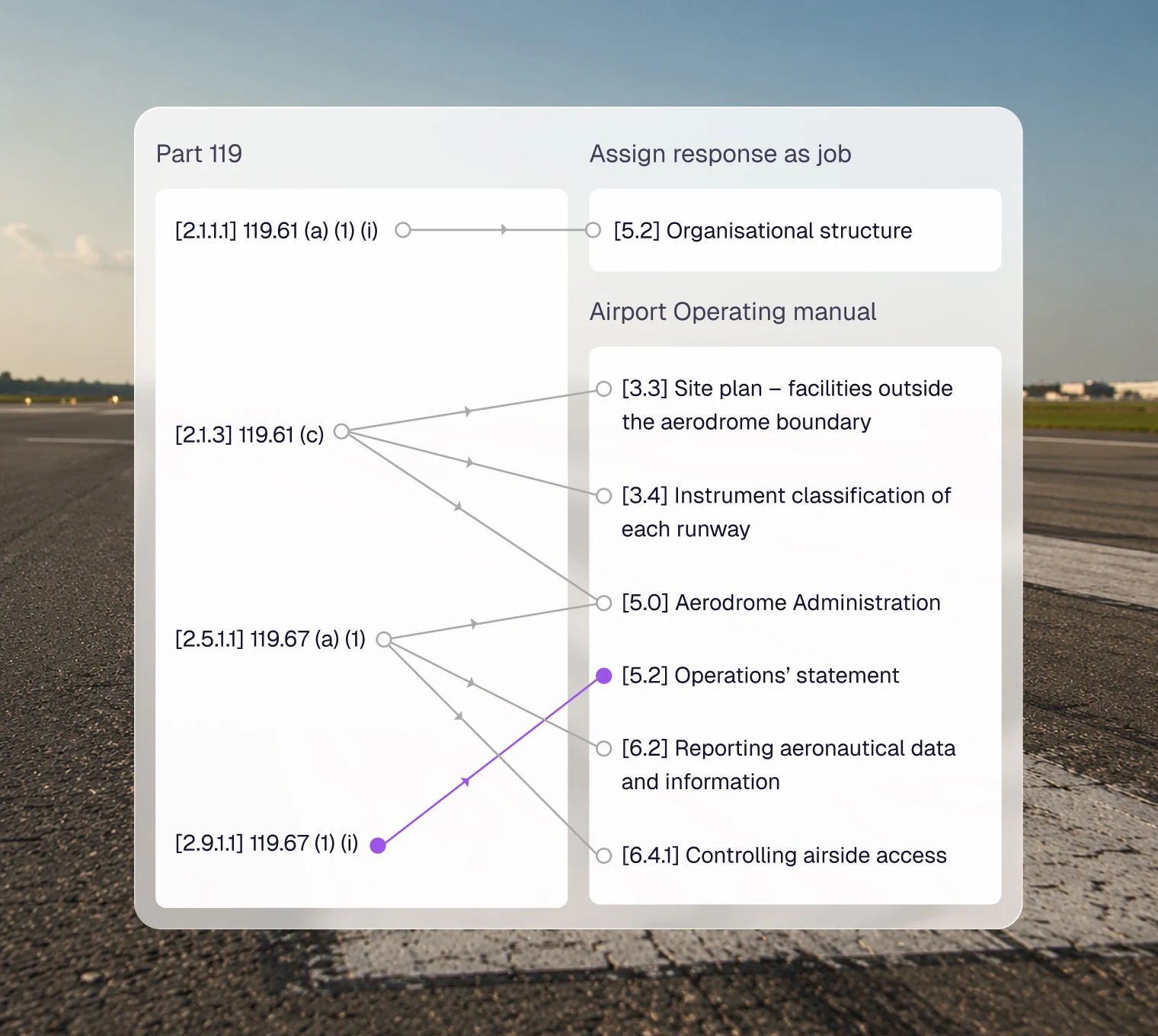
OneReg links your manuals and compliance records directly to the FAA regulations that apply to your operation, such as Parts 121 and 5. When a regulation changes, OneReg flags which documents are affected, shows the old text against the new, and notifies the document owner.
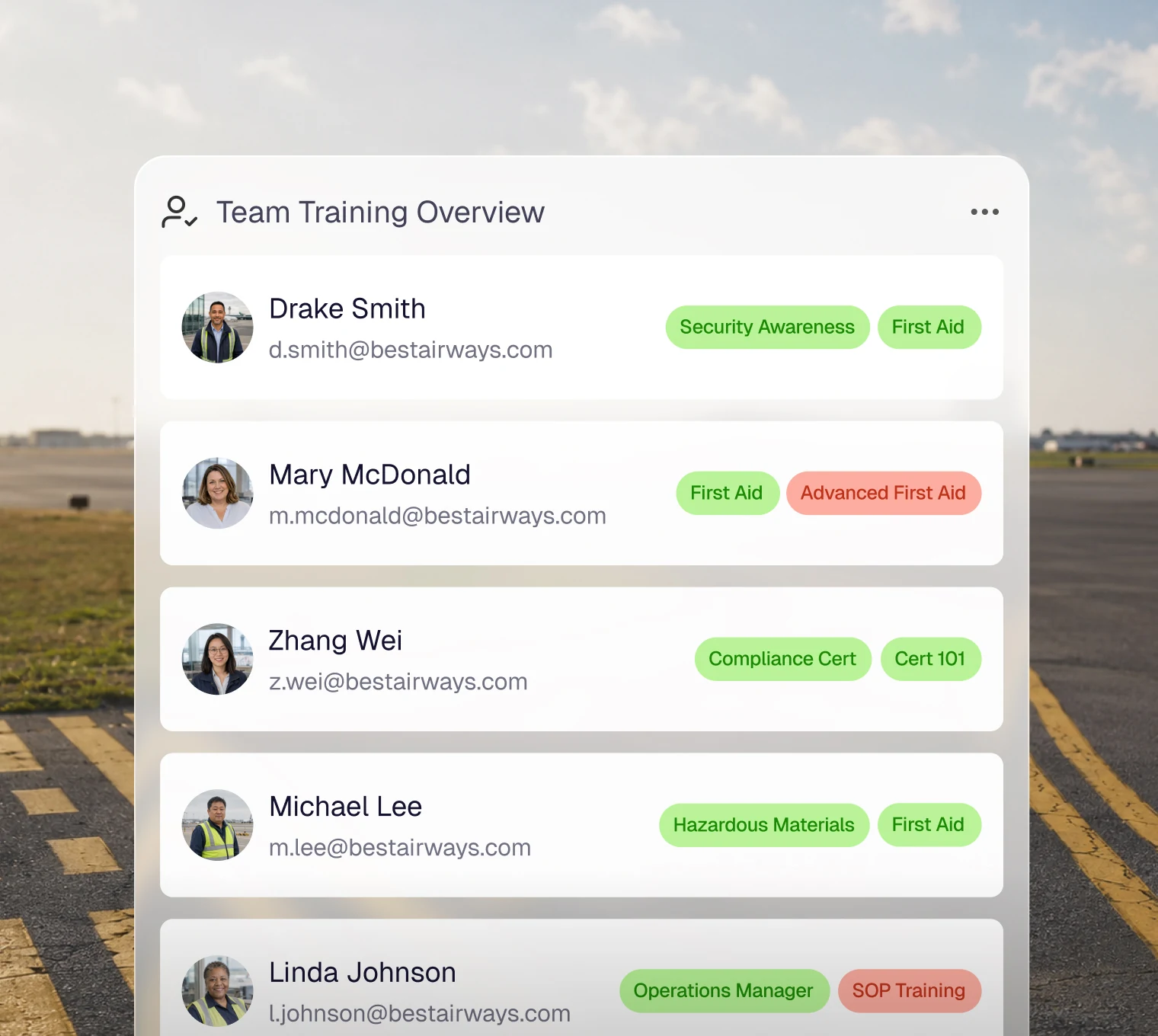
OneReg centralizes an airline's manuals, safety management, training records and compliance evidence in one platform, and keeps them linked to the regulations that govern them — so your team can find and prove compliance status without digging through spreadsheets or separate systems.
An airline SMS is the formal, organization-wide way a carrier manages safety risk and checks that its risk controls work. Under the FAA's Part 5 rule it has four components: safety policy, safety risk management, safety assurance and safety promotion. OneReg supports all four, from hazard reporting and a risk register to audits and training records.
Three things set OneReg apart from other airline compliance software: 1) It is purpose-built for airlines, not adapted from a generic compliance platform. 2) It is comprehensive instead of a point solution, replacing multiple fragmented legacy systems and manual processes with one integrated, powerful platform. 3) It is fully configurable for your specific airline and you can reconfigure it yourself at any time with no engineering fees, no vendor involvement, and with your history staying intact after any change.
Yes. OneReg supports multi-organization, parent–child portfolio structures, so a group with several carriers or subsidiaries can manage shared and carrier-specific compliance in one place rather than in separate systems per airline.
Yes — OneReg supports sharing documents and reports via a public link, so third parties (whether contractors, ground-handling partners, board members, etc.) can view what they need without requiring their own OneReg account.
Most customers are operational within a few weeks to a few months. OneReg can be used out-of-the-box or can be fully configured for specific organizational needs. Setup will move at your pace, as fast as you want to go.
Yes. OneReg maintains structured digital evidence trails and regulator-aligned reporting continuously, so preparing for FAA oversight, IOSA or internal audits takes far less manual effort than pulling records together ad hoc.
OneReg links your manuals and compliance records directly to the regulatory requirements that apply to your operation. Exact regulatory frameworks are configured per airline and market during setup — talk to the team about your specific requirements.
Invested in the future of aviation together